|
|
|
|||||||||||||||||||||
|
|||||||||||||||||||||||
 |
|||||||||||||||||||||||



















 |
|
|
|
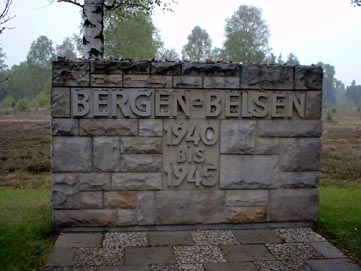
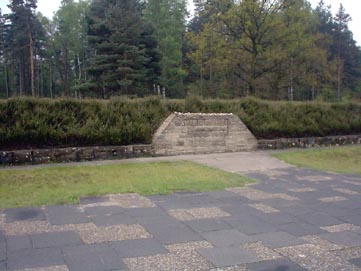
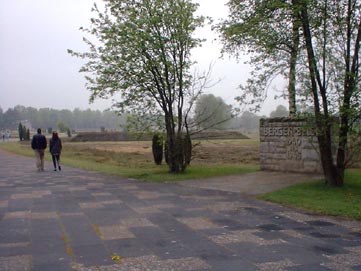
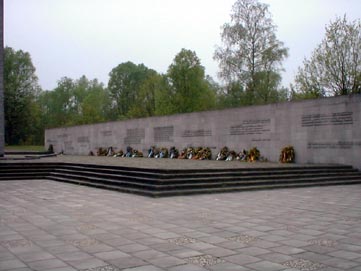
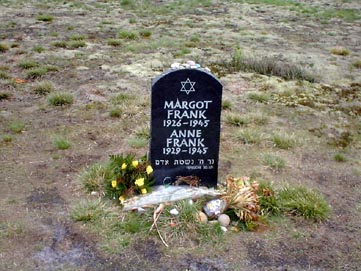
The Bergen-Belsen concentration camp is about 30 miles north of Hannover. When we learned about how close it is, we decided to go and pay our respects Since we have been to Anne Frank's house in Amsterdam, we wanted to see and to show our son firsthand where she died, to complete our journey through the tragic life of this girl who was almost his age. Bergen-Belsen was one of over 1,000 small and large camps in Nazi occupied areas. It was initially used as a POW camp but by the fall of 1944 had become a concentration camp for Jews, Homosexuals, Gypsies and Political Dissidents. Many of the prisoners were transferred from Auschwitz and all the other camps as the Russian forces advanced from the East. Most prisoners died of starvation, dehydration and rampant diseases such as Typhoid and Tuberculosis. There was a small crematorium but it couldn't keep up with the rate of death - more than 30,000 people died from February to April 1945. When the British forces liberated the camp on April 15, 1944 there were so many bodies lying in piles that they were forced to dig large pits and push them in with bulldozers. Over 9,000 people died after the arrival of the British because they were so ill that their bodies couldn't respond to the food and medicine. The camp was destroyed to check the spread of disease and try to erase the horror so all that remains is a large field, the monuments and the mounds over the the buial pits. The site has an educational area about the camp and the decline of human rights under the Nazis. There is a horrifying film available for viewing in several languages which documents what the British forces found upon their arrival. The impact of the visit was overpowing and is something I will remember forever. |
|
|
||||||||||||||||||||||||||||||||||||||||||||||||||||||||||||||||||||||||||||||||||||||||||||||||